
Curious to learn more about the Kolbe System?
➤ The three parts of the human mind and the hidden key to improving performance.
➤ The breakthrough that led to Kolbe’s Four Action Modes.
➤ The instinctive need of each Action Mode when it comes to taking action, solving problems and creating results.
There are three parts of the human mind. Two of them are well known and discussed. The third is the hidden key to improving human performance.
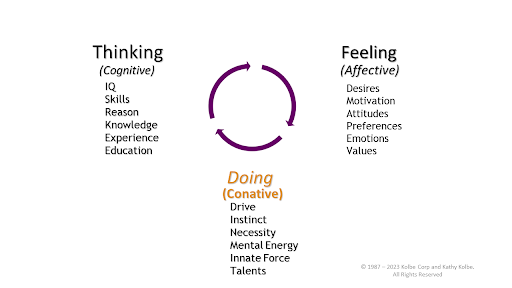
The Cognitive Mind This part of your mind defines your “intelligence.” It grows as you learn and is everchanging. IQ tests are the most common form of testing; however, anyone that has taken a test more than once knows that the results only showcase a portion of a person’s true ability to learn, retain and recall information.
The Affective Mind A person’s affective strengths lie in their ability to use emotion effectively. Assessments such as the Myers-Briggs Type Indicator measure a person’s reaction to circumstances and assign a “personality type” that defines the emotional tools that you use to cope, grow and communicate in your daily life. Like the cognitive mind, your affective traits evolve and fluctuate given your experiences and circumstances.
The Conative Mind Simply put, conation drives action. Actions drive performance. To understand how you and others achieve peak performance, you need to understand the conative part of the mind.
While philosophers through the centuries discussed the existence of conation, Kathy Kolbe was the first to identify its key attributes and how to measure them.
Four Action Modes® Kolbe’s four Action Modes are the modern breakthrough in understanding and explaining conation. Kathy Kolbe’s key insight was that everyone has a strength in how they operate in each of these Action Modes. Each person’s method of operation, or “MO,” is their strength in that area.
Four Action Modes®
-
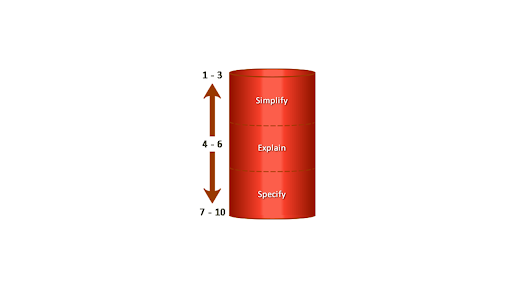
FACT FINDER
The instinctive need to probe and the way we gather and share information Behavior ranges from gathering detailed information and documenting strategies to simplifying and clarifying options. This Action Mode deals with detail and complexity, providing the perspective of the past.
-
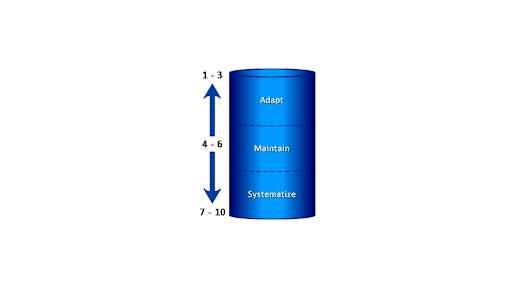
FOLLOW THRU
The instinctive need to pattern and the way we organize and design Behavior ranges from being systematic and structured to being adaptable and flexible. This Action Mode deals with structure and order and provides focus and continuity.
-
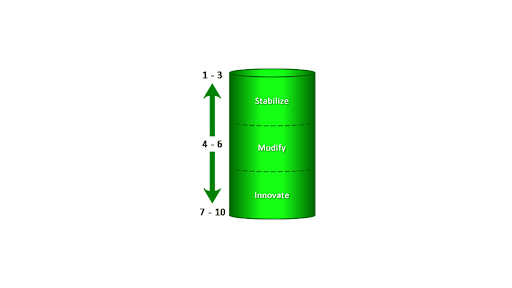
QUICK START
The instinctive need to improvise and the way we deal with risk and uncertainty Behavior ranges from driving change and innovation to stabilizing and preventing chaos. This Action Mode deals with originality and risk-taking and provides intuition and a sense of vision.
-
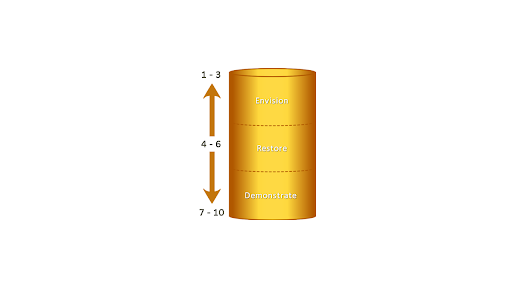
IMPLEMENTOR
The instinctive need to demonstrate and the way we handle space and tangibles Behavior ranges from making things more concrete by building solutions to being more abstract by imagining a solution. This Action Mode deals with physical space and provides durability and a sense of the tangible.